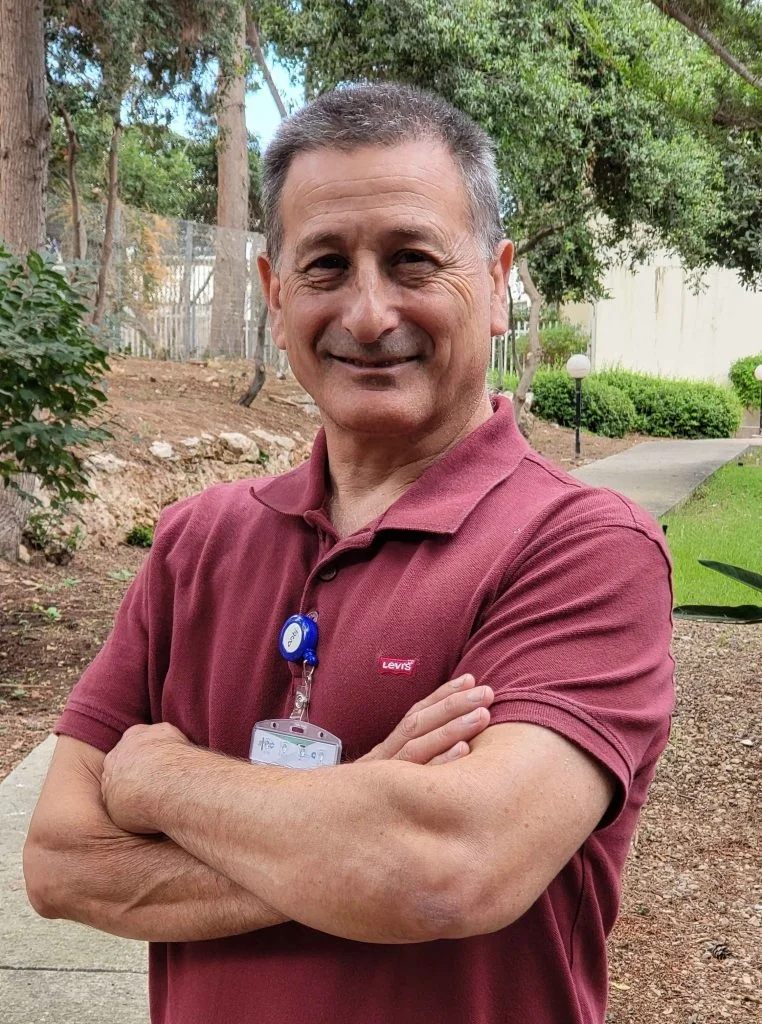
 By Dr. Avi Chezar, shoulder surgeon
Physiotherapy and rehabilitation after shoulder surgery – why does it matter so much?
Physiotherapy and rehabilitation are an integral part of recovery after shoulder surgery, and sometimes no less important than the operation itself. While the operation deals with the structural problem – a tear, wear, a fracture or instability – rehabilitation is what allows the body to heal properly and return to normal daily function.
After surgery, the repaired tissues need biological time to heal and grow stronger. During this period it is important to protect the repair from early load or unsuitable movements, which could harm the surgical result. On the other hand, prolonged lack of movement can lead to stiffness, reduced range of motion and persistent pain. Rehabilitation is therefore designed to balance protecting the tissues with gradual, controlled use of the shoulder.
Physiotherapy is not "just another treatment" but a structured, graded rehabilitation process matched to the type of operation performed. Each operation has a dedicated rehabilitation protocol that sets when the sling can come off, when you may start moving the arm, which movements are allowed and which should be avoided, and when you can gradually return to daily activity, work or sport.
Exercising correctly, at the right time, is a key factor in successful rehabilitation. Working too early or too hard may put the repair at risk, while too little exercise may delay recovery. That is why it is important to follow the right protocol, to work together with the treating physiotherapist, and to adapt the rehabilitation to the instructions given after surgery.
Bear in mind that the pace of progress varies from patient to patient and depends on many factors, such as the type of operation, the quality of the tissues, age and general health. Discomfort or mild pain during exercise is sometimes part of the healing process, but sharp or worsening pain is not normal and requires consulting the treating team.
Further down this page you can choose the rehabilitation protocol that matches your operation, view it directly on the site, or download it for personal use and to show your physiotherapist.
The protocols on this site are general information only. The instructions of the surgeon and the treating physiotherapist always come first, and adjustments may be made according to the surgical findings and the clinical situation.
Choose a protocol
Choose the type of operation you had to get the matching rehabilitation protocol.
- Rotator cuff
Shoulder strengthening exercise protocol (Rockwood)
Strengthening the rotator cuff and the shoulder stabilizers with an elastic band (Theraband)
- Rotator cuff
Rehabilitation after rotator cuff tear surgery
Full arthroscopic protocol – 5 stages over 30 weeks, from rest to returning to sport
- Other
Deltoid strengthening exercise protocol
Gradual strengthening of the deltoid muscle to improve active function.
When should you seek urgent medical attention?
- High fever above 38°C
- Redness or discharge from the surgical wound
- Unusual pain that does not respond to painkillers
- Sudden, significant swelling of the arm
- New numbness or tingling in the hand
In any of the cases above, contact the clinic immediately or go to the emergency department.
Common rehabilitation questions
When can I take off the sling?
How long the sling is used varies with the type of operation, ranging from 3 to 6 weeks. Follow the specific instructions in your rehabilitation protocol.
When can I drive?
Usually you can return to driving 6–8 weeks after surgery, provided you have a reasonable range of motion and no significant pain. You need the surgeon's approval.
When can I return to office work?
Light office work is usually possible within 2–4 weeks, depending on the level of pain and the ability to use a keyboard.
When can I return to physical work?
Returning to physical work depends on the type of operation and the demands of the job. It is usually at least 3–6 months.
When can I return to sport?
Light sporting activity (such as walking or cycling) is usually allowed from month 3–4. Competitive sport or heavy exertion – from month 6 onwards.
Is mild pain during exercise normal?
Mild to moderate pain during exercise is normal, especially in the early stages. Sharp pain, or pain that lasts for hours after exercise, requires consultation.
Need more advice about your rehabilitation?
WhatsApp message Call the clinic
Further reading from leading medical sources
For readers who want to go deeper, here are reliable sources from the American Academy of Orthopaedic Surgeons (AAOS – OrthoInfo):
- Rotator Cuff & Shoulder Conditioning Program — OrthoInfo (AAOS)A structured exercise program for strengthening and rehabilitating the shoulder and rotator cuff
- Conditioning Program — full exercise guide (PDF · AAOS 2025)Full PDF with illustrations and instructions for each exercise
External sources in English · open in a new tab