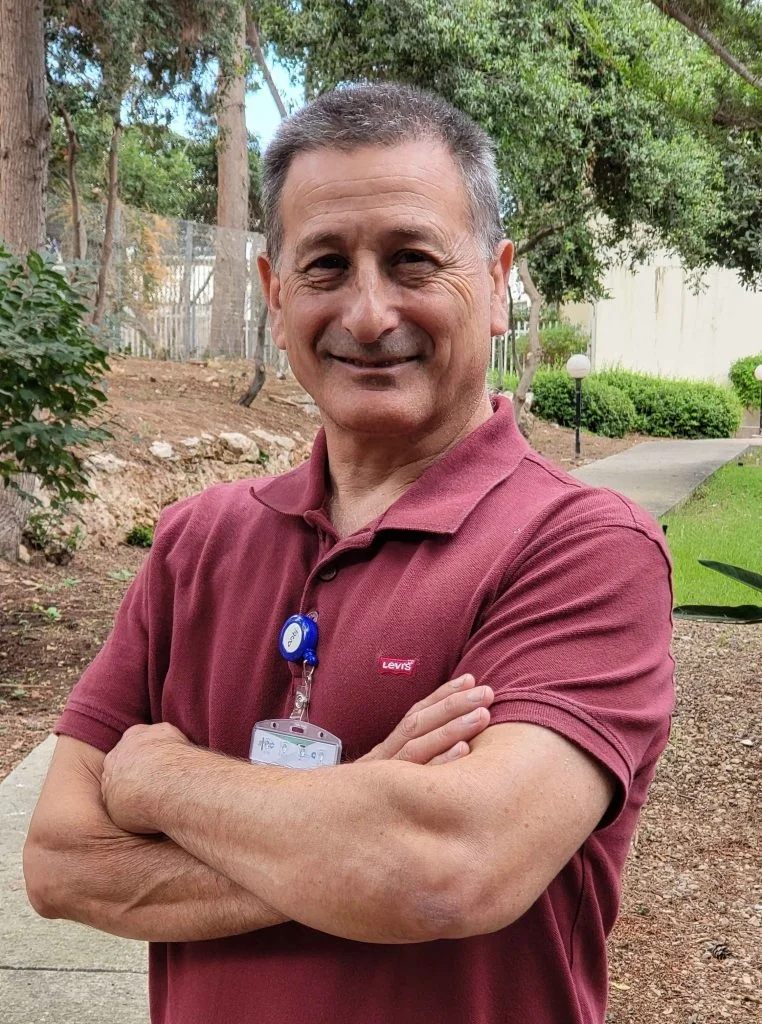
 By Dr. Avi Chezar, shoulder surgeon
In brief
Summarized and reviewed by Dr. Avi Chezar, shoulder surgery specialist, Assuta Haifa and RMC Afula.
- What it is
- Arthroscopic surgery to repair tears of the rotator cuff tendons, with the aim of improving function and reducing pain. In some cases a return to full activity can be expected; in others, only an improvement in function.
- When
- The operation is intended for a tear that causes pain and loss of function that has not responded to conservative treatment. The larger the tear and the longer the time since symptoms began, the lower the chance of a good result.
- Diagnosis
- An MRI before surgery to characterize the size of the tear and the quality of the tendon and muscle tissue.
- The surgery
- The operation is arthroscopic, through tiny incisions; the repair uses anchors (screws in the humerus with sutures passed through the tendon), 1–5 of them depending on the size of the tear. After 3–6 weeks in a sling, a return to full activity about 6–9 months after surgery.
What is the goal of the operation?
The operation is intended to repair tears of the shoulder tendons (the rotator cuff tendons) in order to improve shoulder function and reduce pain.
The goal of the operation is to improve function and reduce pain. In some cases a return to full activity can be expected, and in some cases only an improvement in function can be achieved.
What are the chances that the operation succeeds?
Most patients are satisfied with the operation and achieve an improvement in function. However, the success of the operation depends on many factors:
- The larger the tear and the more time that has passed since symptoms began, the lower the chance of a good result. In older people with poor bone and tendon tissue quality, the chance of success is lower.
- Shoulder function before surgery – mainly the level of pain and the ability to move the shoulder passively (raising and moving the shoulder with the help of the other arm) – also affects the results of the operation.
- And finally, without full cooperation and persistence with the physiotherapy program, the chances of returning to good activity are small.
How is the operation performed?
The operation is performed under general anesthesia, usually combined with regional anesthesia, using an arthroscopic technique. It is done through several tiny incisions around the shoulder, using a camera, a video screen and special instruments for the procedure (see shoulder arthroscopy).
At the start of the operation the shoulder is examined thoroughly to identify the problems and decide on treatment.
The repair is done by reattaching the torn tendon to the bone from which it was pulled off (the head of the humerus). Fixation is done with "anchors". An anchor is a kind of screw that is inserted into the bone, with sutures attached to it. The sutures are passed through the torn tendon, so the torn tendon can be secured and anchored to the bone. The number of anchors is determined by the size of the tear and can range from a single anchor up to five anchors. The sutures are passed through the tendon and tied with special instruments designed for this purpose. The aim is to press the torn tendon back against the bone from which it tore, allowing the tear to heal as the tendon reattaches biologically to the bone – similar to the healing of a fracture or a cut in the skin.
Additional procedures performed in the shoulder during the operation as needed
- When the tendon of the long head of the biceps is torn, the tendon can be cut (tenotomy) or fixed (tenodesis) in the shoulder.
- Usually a decompression, or cleaning of the inflamed tissue and release of the tendons, is performed.
- When shoulder movement is still restricted even under anesthesia, a release of the capsule is needed.
- If there are bony projections of the acromion, the acromion is shaved down (acromioplasty).
- If there is pain coming from the acromioclavicular joint, this joint can also be shaved to create space.
Each of these naturally adds to the length of the operation. Usually the operation takes between one and two hours, depending on the size of the tear and associated findings.
At the end of the operation the shoulder is immobilized in a sling, the incisions are stitched and dressings are placed on them.
How soon can I expect to return to normal activity after surgery?
The first stage after surgery is the rest stage. The arm is immobilized in a sling for 3–6 weeks. During this period the shoulder is moved with pendulum movements only, and simple activities such as dressing, washing and eating can be done while keeping the arm at the side of the body.
At the end of the rest period, physiotherapy begins according to the protocol given at the time of surgery. At the same time, use of the sling stops.
A return to office work is possible within about two weeks of surgery. Driving is allowed once the arm is free, usually about 6 weeks after surgery.
Within 3 months, reasonable daily function and no significant pain can be expected.
A return to full activity is expected about 6–9 months from the time of surgery, depending on the size of the tear and the additional findings during surgery.
The return to function depends on the patient, and on the type and size of the tear and the quality of the tissue. Exercises and physiotherapy must be done every day, mostly on your own.
Be aware that there is considerable pain after surgery, mainly in the first two weeks, so intensive pain relief is needed.
Risks and complications
As with any operation performed under general anesthesia, there are risks related to the anesthesia. Consult your treating physician and weigh the degree of risk in light of any chronic illnesses (heart disease, diabetes, breathing problems, etc.).
During the operation there is no proximity to large blood vessels or nerves, so the chance of bleeding or nerve injury (paralysis) is minimal and almost non-existent.
Because of the nature of arthroscopic surgery – working through small incisions while fluid flows through the joint – the chance of an infection complication is minimal and very rare.
Common problems after surgery
- Restricted shoulder movement: despite the repair, the patient does not manage to regain full movement. Usually, despite the restriction, there is a marked improvement compared with the situation before surgery. Naturally, the more severe the situation before surgery, the smaller the chance of regaining a full range of motion.
- Re-tear of the tendons. The larger the tear and the poorer the bone quality before surgery, the greater the chance of a re-tear.
- Persistent pain after surgery.
In these cases, repeat surgery is sometimes needed – of course after discussion with the treating physician and a thorough work-up.
Rehabilitation protocol after rotator cuff repair – 5 stages over 30 weeks: rest, passive movement, active movement, and early and advanced strengthening.
Frequently asked questions
What is the goal of rotator cuff repair surgery?
The operation is intended to repair tears of the shoulder tendons (the rotator cuff tendons) in order to improve shoulder function and reduce pain. In some cases a return to full activity can be expected, and in some cases only an improvement in function can be achieved.
What are the chances that rotator cuff repair surgery succeeds?
Most patients are satisfied with the operation and achieve an improvement in function. The success of the operation depends on many factors: the larger the tear and the more time that has passed since symptoms began, the lower the chance of a good result. Shoulder function before surgery and the level of pain also affect the results. Without full cooperation and persistence with the physiotherapy program, the chances of returning to good activity are small.
How is rotator cuff repair surgery performed?
The operation is performed under general anesthesia, usually combined with regional anesthesia, using an arthroscopic technique, through several tiny incisions around the shoulder with a camera and a video screen. The repair is done by reattaching the torn tendon to the bone from which it was pulled off, using anchors – screws inserted into the bone, with sutures attached that hold the tendon. Usually the operation takes between one and two hours, depending on the size of the tear.
How soon do patients return to activity after rotator cuff repair?
The first stage after surgery is the rest stage – the arm is immobilized in a sling for 3–6 weeks. A return to office work is possible within about two weeks, and driving is usually allowed about 6 weeks after surgery. Within 3 months, reasonable daily function and no significant pain can be expected. A return to full activity is expected about 6–9 months from the time of surgery, depending on the size of the tear and the additional findings.
What are the possible risks and complications after surgery?
The common problems after surgery are: restricted shoulder movement – although there is usually a marked improvement compared with the situation before surgery; re-tear of the tendons – the larger the tear and the poorer the bone quality, the greater the chance of a re-tear; and persistent pain after surgery. Because of the arthroscopic technique – working through small incisions while fluid flows through the joint – the chance of an infection complication is minimal and very rare.
Further reading from leading medical sources
For readers who want to go deeper, here are reliable sources from the American Academy of Orthopaedic Surgeons (AAOS – OrthoInfo):
- Rotator Cuff Tears: Surgical Treatment Options — OrthoInfo (AAOS)Surgical options for repairing a rotator cuff tear
- Arthroscopic Rotator Cuff Repair — OrthoInfo (AAOS)Arthroscopic rotator cuff repair (explanatory video)
External sources in English · open in a new tab